
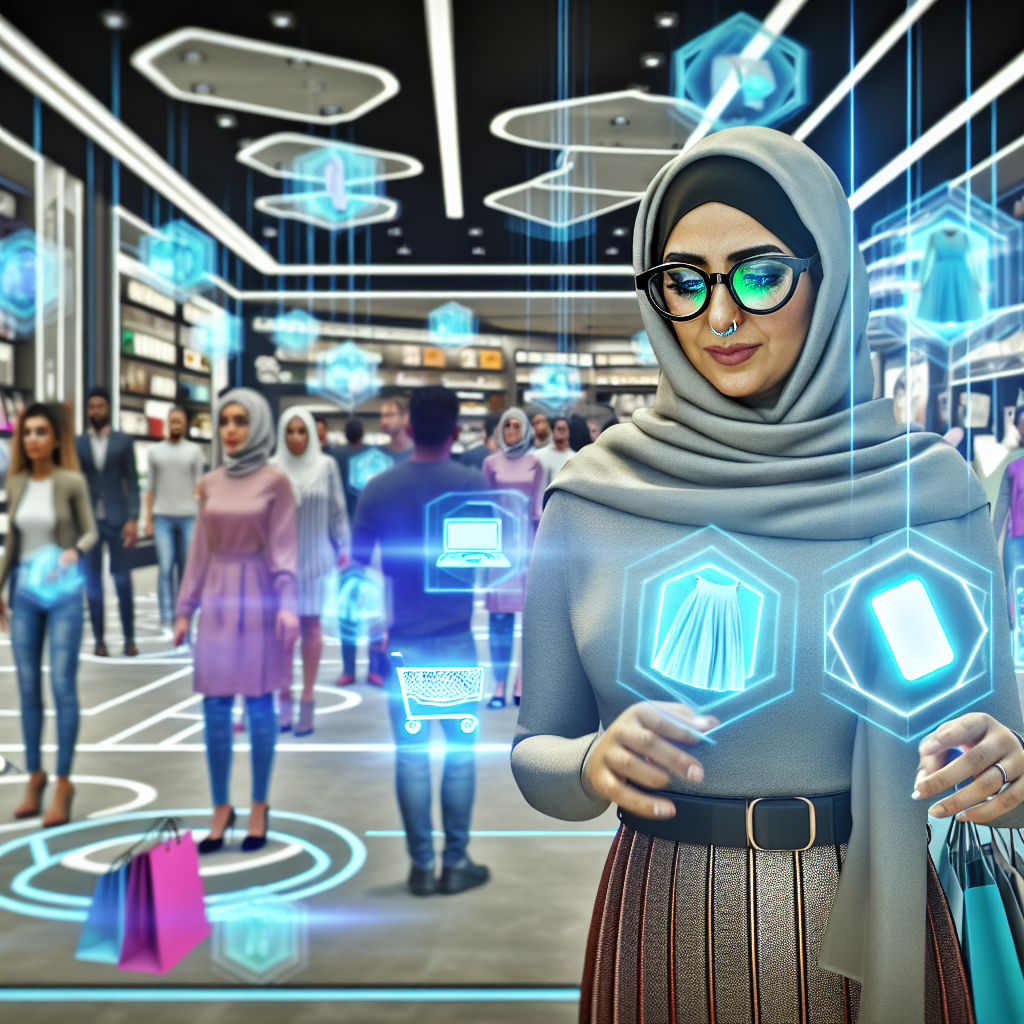
Now Write An Article On This Topic Augmented Reality: Transforming Shopping and Retail Experiences
In a world increasingly driven by technology, one buzzword has begun to revolutionize how we shop: Augmented Reality (AR). Imagine walking into a store and being greeted by a virtual assistant, or snapping a picture of a piece of furniture to see how it looks in your living room before buying. Sounds like something out of a sci-fi movie, right? Well, welcome to the future of shopping! In this article, we’ll explore how AR is changing retail, enhancing customer experiences, and boosting sales.
What is Augmented Reality?
Before diving into the depths of shopping and retail, let’s clarify what augmented reality is. AR blends digital content with the real world, allowing users to interact with computer-generated elements in their actual environment. Think of it as a layer of digital information superimposed on the world around you. Pokémon GO is a classic example—a game that has users catching virtual Pokémon in real-world locations!
The Role of AR in Retail: A Game Changer
A New Era of Engagement
Gone are the days when shopping merely revolved around just looking at products and making decisions based on static images. With AR, brands are pushing the envelope, engaging customers like never before. Interactive experiences transform mundane shopping trips into exciting adventures. In a sense, it’s like turning your shopping list into a scavenger hunt—fun, engaging, and oh-so-rewarding!
Browsing Through a New Lens
Imagine walking into a clothing store and pointing your phone at a shirt. Instantly, you see it styled with different accessories and outfits, tailored just for you. Using AR apps, consumers can visualize how products look and how they fit without even trying them on. Isn’t that a game changer?
How is AR Being Implemented in Retail?
Virtual Try-Ons: Fashion at Your Fingertips
The Beauty of Digital Fitting Rooms
Virtual try-ons are one of the coolest applications of AR in shopping. Customers can now "try on" clothing and shoes virtually. Brands like Zara and Nike have embraced this technology, allowing shoppers to see how they’d look in various items without stepping foot into a changing room. Picture it: no lines, no awkward fitting room mirrors!
Makeup Magic
In the beauty industry, brands like L’Oréal are leveraging AR technology too. With apps that allow users to see how different makeup looks on their faces through their cameras, the guesswork is gone. You can experiment with cosmetics to your heart’s content without buying products you might not love.
Furniture Shopping Made Easy
Visualizing Your Space
Maybe you’re moving into a new place and need to furnish it, but you’re not quite sure if that giant sofa will fit in your cozy living room. With AR applications from brands like IKEA, you can place a lifelike image of the sofa in your actual space through your phone. It’s like having a personal interior designer, but on a budget!
Personalized Shopping Experiences
Curated Deals at Your Fingertips
AR also allows retailers to offer personalized experiences based on browsing behavior. Imagine walking down a mall with AR glasses, and as you pass a store, a notification pops up offering a discount on items you’ve searched for online. It’s like having a personal shopper whispering deals just for you!
The Psychological Impact of AR on Consumers
Creating a Deeper Connection
When customers engage with products in an immersive way, it often results in a deeper emotional connection. Retailers leveraging AR can create memorable experiences that resonate with consumers, encouraging repeat business and brand loyalty. It’s the difference between a simple shopping trip and an adventure that sticks in your memory!
The Importance of Experience Over Product
In our fast-paced world, many people now prioritize experiences over possessions. AR enables retailers to tap into this trend by crafting unique shopping experiences that are more about the journey than just the destination—or in this case, the product.
Challenges of Implementing AR in Retail
Tech Requirements and Costs
While AR can bring a slew of benefits, there are challenges in integrating this technology. Not all retailers have the budget or resources required to develop sophisticated AR applications. Smaller businesses often struggle to compete with major brands that can easily finance such innovations.
User Adaptability
In addition to costs, there’s the issue of user adaptability. Not everyone is comfortable using AR technology. So, while some shoppers are all in for a tech-infused experience, others may feel daunted by it. Retailers need to ensure that their AR solutions are user-friendly and accessible to all demographics.
The Future of AR in Retail
What Lies Ahead?
As technology advances, the potential for AR in retail explodes. Imagine entering a store where AR not only enhances your shopping experience but also interacts with you through AI, making personalized recommendations based on mood and preferences. The line between the virtual and physical world will blur even more, changing the way we perceive shopping forever.
Sustainability and AR
In a world increasingly focused on sustainability, AR can play a role in reducing waste. Virtual try-ons mean fewer returns, leading to reduced shipping waste and carbon footprint. So not only are you making better purchases, but you’re also being kinder to the planet!
Tips for Retailers Looking to Embrace AR
Start Small, Think Big
If you’re a retailer considering AR, start with small experiments. This could mean an AR feature in your mobile app or a mini AR experience in store. Learn what works, then scale it up!
Focus on User Experience
Remember, the goal is to enhance the customer experience, not overwhelm them. Make sure your AR features are intuitive and genuinely add value. A confusing AR interface can deter customers rather than attract them!
Collaborate with Tech Experts
Partnering with tech companies specializing in AR can save you time and resources. They can help you create a seamless experience that delights customers while easing the burden on your team.
Conclusion
Augmented reality is undoubtedly transforming shopping and retail experiences, bringing a blend of interactivity, personalization, and engagement that was previously unimaginable. As retailers embrace this technology, consumers stand to benefit immensely, enjoying immersive experiences that cater to their preferences and lifestyle. With the right integration, AR not only reshapes the way we shop but makes it more enjoyable than ever. So, whether you’re a seasoned shopper or a retail newbie, get ready for a shopping experience that’s set to redefine the future!
FAQs
1. What is augmented reality in retail?
Augmented reality in retail is the integration of digital information and experiences into the real-world shopping environment. It allows customers to interact with products in new, engaging ways, enhancing their shopping journey.
2. How does AR improve customer experiences?
AR creates immersive and interactive experiences, enabling customers to visualize products in their real-world environment, try on clothing virtually, and receive personalized recommendations—all of which enhance satisfaction and engagement.
3. Are there downsides to using AR in retail?
Yes, challenges include high implementation costs, necessary tech infrastructure, and user adaptability. Retailers must ensure that AR features are user-friendly to avoid deterring potential customers.
4. Is AR the future of shopping?
While AR is a significant innovation, its future in shopping will depend on further technological advancements, consumer acceptance, and how effectively retailers utilize it to enhance experience and convenience.
5. Do many retailers currently use AR?
Yes, numerous retailers are adopting AR technologies. Brands like IKEA, Sephora, and L’Oréal have already integrated AR into their customer experiences, showcasing the technology’s growing presence in retail.